Phenotypic Plasticity: How Individuals Adjust Within a Lifetime
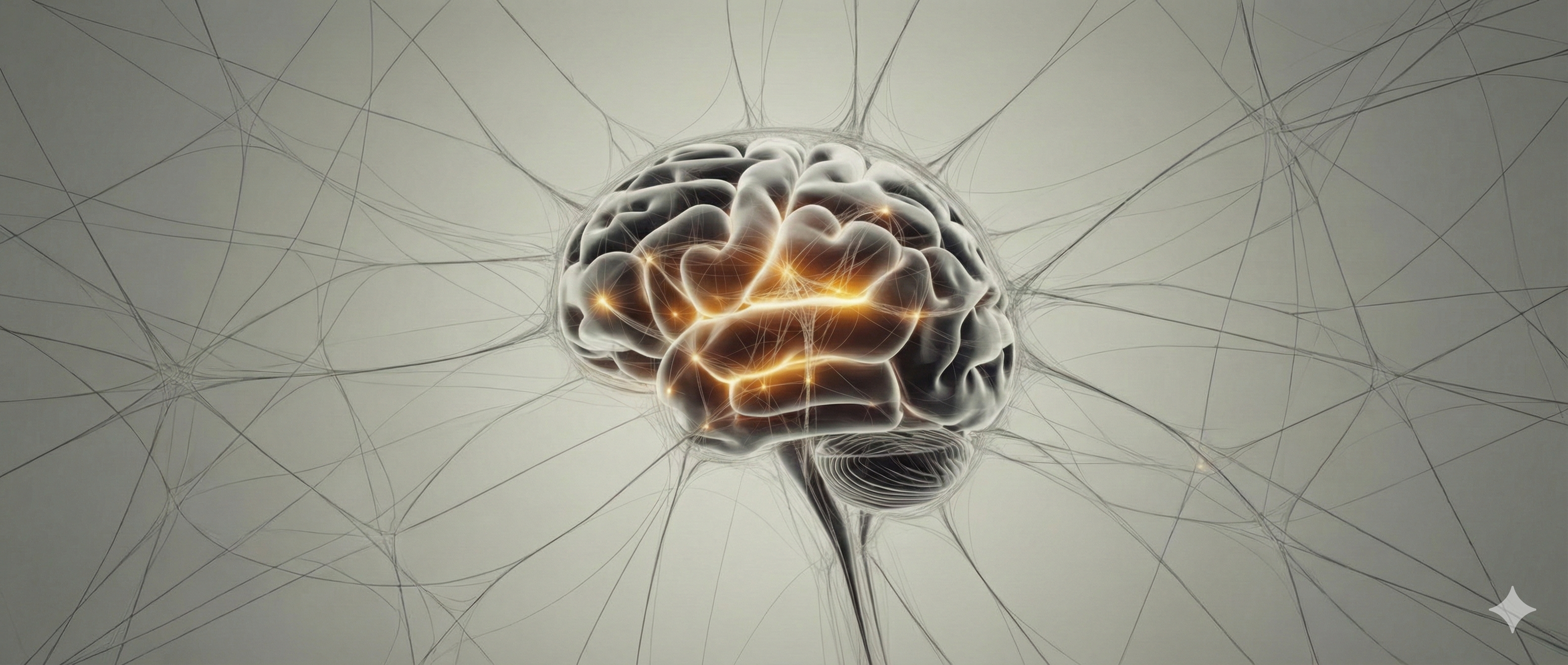
Phenotypic plasticity is the technical phrase for what your body and mind are doing when they change expression without changing code. It’s how one genome can yield different “versions” of you depending on conditions. You’ll have more red blood cells at altitude, calmer breathing under stress with practice, or a sharper memory map after weeks of navigating a new city. Biologists define it as the capacity of an organism to produce different phenotypes in response to the environment; decades of work (from classic evolutionary theory to modern genetics) show it’s a core feature of life, not a fringe exception.
We experience plasticity when we exercise: load a muscle, let it recover, and fibers thicken; the connective tissues anchoring them also adapt to sustained loading. You can also see it in the brain. London cab drivers who master “The Knowledge” show enlarged posterior hippocampi relative to controls; adults who learn to juggle exhibit measurable, reversible gray-matter changes in motion-related areas. These aren’t overnight miracles; they’re the physical footprints of repeated demand plus rest.
Three factors about plasticity matter for modern work: First, plasticity depends on feedback.
Brains change fastest when they get timely signals about how an action went. At the neuron level, the dopamine system carries a “prediction-error” signal that reinforces useful behaviors and revises unhelpful ones. Over time, repeated cue-action-outcome cycles harden into habits via cortical–basal ganglia loops. That’s why scoreboards, quick reviews, lightweight A/B tests, and tiny rewards (social or financial) can reshape performance surprisingly fast.
Second, plasticity is specific and practice is the lever. We don’t get “better at everything.” We get better at what we practice, in the setting we practice it. Research on expertise calls this deliberate practice: targeted reps designed to push the edge of your current ability with clear feedback. Motor-learning work also shows gains are often context-bound. Skills transfer best when the new situation resembles the one you trained for so be sure to vary contexts on purpose if you want portability. A pianist, for example, might practice on different keyboards and a marketer pressure-tests a pricing rubric across categories.
Finally, plasticity has fuel costs and stress narrows it. Change takes energy. The brain is metabolically expensive, and a large share of its budget goes to signaling during learning. When stress is acute and chronic (“allostatic load”), biology prioritizes short-term survival: attention narrows, and behavior shifts from flexible, goal-directed control toward habits. Translation for work: if everything feels like an emergency, you’ll keep doing what’s familiar even if the environment has changed. Protecting sleep and recovery isn’t “nice to have”; it’s the precondition for learning at speed.
Two quick, actionable amplifiers:
Sleep it in A large body of research shows sleep consolidates both facts and skills an helps turn fragile day-one learning into more stable wiring. If you want tomorrow’s performance to be better, tonight’s sleep is part of the work.
Move to learn Regular aerobic exercise literally remodels memory-critical structures (like the hippocampus) and is associated with cognitive gains. A brisk daily walk is not a detour from learning; it’s an accelerator.
Put simply: plasticity is how humans update. Build fast feedback loops, design deliberate, context-varied reps, and guard the energy systems (sleep, movement, stress hygiene) that fund change. That’s not self-care fluff; it’s the biology that makes “learn and adapt” more than a slogan. We’ll get tactical about this in Mindset, Skillset, Toolset.